
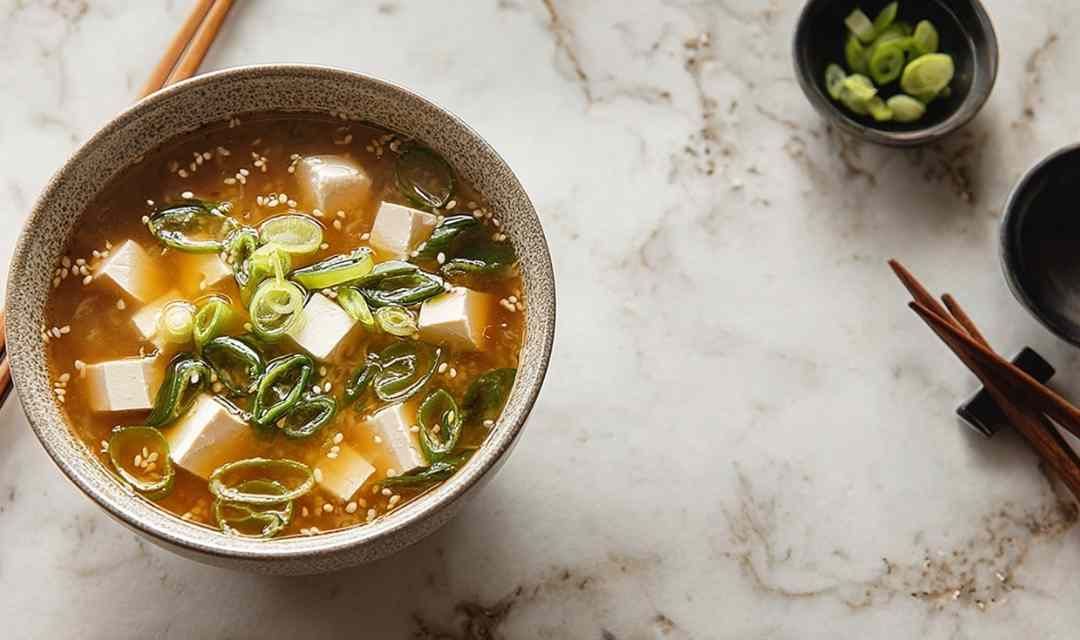
I discovered this vegan miso soup recipe during a week when I was trying to simplify my cooking routine, and it’s honestly become one of my most-made recipes. With just 5 ingredients and 5 minutes of active cooking, this Japanese appetizer delivers authentic flavor without any fuss.
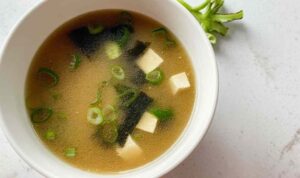
The first time I made this, I was skeptical that something so simple could taste so good. But watching the wakame seaweed bloom in the hot broth and smelling that distinctive miso aroma convinced me immediately. This vegan miso soup has all the umami depth you’d expect from a traditional recipe, with silky tofu and tender seaweed creating perfect texture in every spoonful. It’s my answer to needing something warm and nourishing when I don’t have time or energy for complicated cooking.
Table of Contents
Simple Ingredients for Authentic Flavor
I always keep miso paste in my fridge because it lasts for months and adds instant depth to so many dishes. Pro tip: white miso gives you a sweeter, milder soup that’s great for beginners, while red miso delivers a bolder, saltier punch.
- 1 tablespoon red or white miso paste
- 2 cups water
- 1/3 block tofu (extra firm), cubed
- 2 tablespoons dried wakame seaweed flakes
- 1 small green onion, thinly sliced
How to Make It in 5 Minutes
I recommend getting all your ingredients prepped before you start heating anything. With such a quick recipe, having everything ready means you won’t scramble or overcook anything.
Step 1: Add the miso paste to 2 cups of water in a pot and place it on medium heat. Don’t worry about stirring yet, just let it start warming up.
Step 2: While the water heats, slice 1/3 of a block of tofu into 1/2-inch cubes and set aside. Cut your green onion into thin slices, keeping the white and green parts separate if you like. The prep takes maybe 2 minutes.
Step 3: Use a spoon or whisk to dissolve the miso paste into the water once it has heated up a bit. You’ll notice the water turning a rich brown color and the miso breaking apart easily in the warm liquid.
Step 4: Add your cubed tofu and dried wakame flakes to the pot. Watch the seaweed carefully as it hydrates and expands in the soup, transforming from tiny flakes into tender ribbons. This takes about 2-3 minutes.
Step 5: By this time, the soup should be at a low boil with gentle bubbles. Remove it from the heat immediately. Vegan miso soup is best when the miso hasn’t been boiled vigorously, as high heat can diminish the probiotic benefits and create bitter notes.
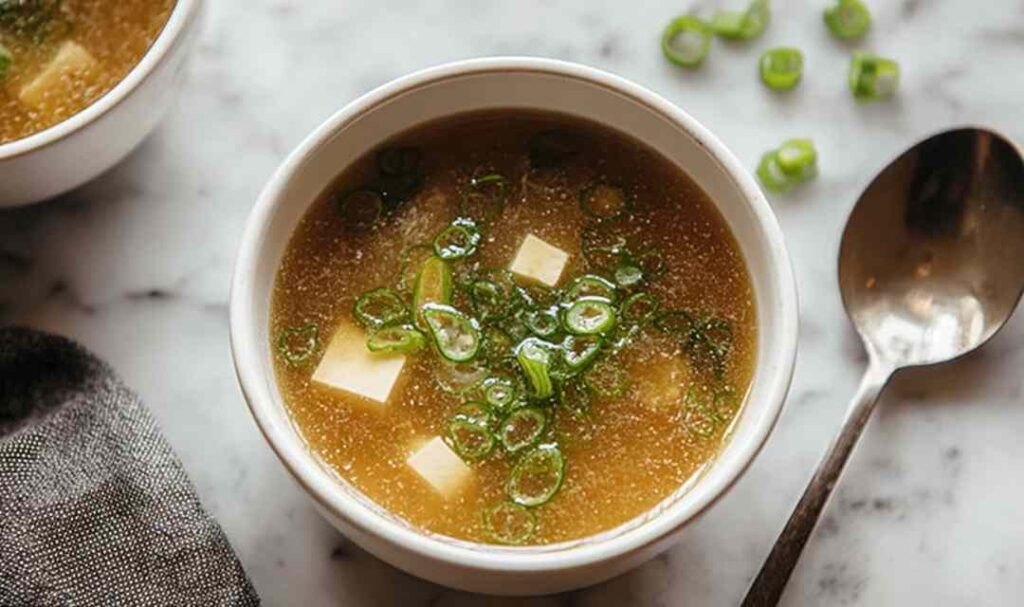
Step 6: Ladle into bowls and top with sliced green onions. The fresh onion adds a sharp, bright contrast to the rich, savory broth.
Perfect Sides for Your Miso Soup
This vegan miso soup shines as an appetizer, but certain pairings make it feel like a complete meal.
Vegetable sushi rolls: Light cucumber or avocado rolls complement the warm soup beautifully for an authentic Japanese dining experience at home.
Steamed edamame: Salted edamame adds protein and gives you something satisfying to nibble between sips of soup.
Brown rice bowl: A small bowl of nutty brown rice turns this into a filling lunch with balanced nutrition and satisfying textures.
Asian cucumber salad: The cool, tangy crunch provides refreshing contrast to the warm, umami-rich soup.
More Plant-Based Miso Options
This Vegan Miso Soup delivers pure, plant-based comfort without sacrificing authentic flavor. For another simplified approach, try our Miso Soup Without Dashi that’s equally accessible, or enjoy the gentle Ginger Miso Brothy Soup with aromatic warmth.
Add variety to your vegan soup rotation with our vegetable-rich Spicy Miso Carrot Soup featuring roasted carrots and chili heat, or try the bright, citrusy Lemon Ginger Miso Soup for a refreshing twist.

Keeping Your Soup Fresh
This vegan miso soup is best enjoyed immediately while the wakame is tender and the tofu is warm. However, I’ve stored leftovers in an airtight glass container in the refrigerator for up to 2 days with decent results.
When reheating, use the stovetop over low heat and warm gently without bringing to a boil. The tofu can become slightly firmer after refrigeration, but the flavor remains delicious.
Pro tip: if you know you’ll have leftovers, consider storing the components separately. Keep the broth in one container and add fresh tofu and wakame when reheating. This preserves the best texture and lets the seaweed hydrate properly each time.
Common Questions About Vegan Miso Soup
What’s the difference between red and white miso?
White miso is fermented for a shorter time, resulting in a sweeter, milder flavor that’s great for delicate soups. Red miso is aged longer, creating a deeper, saltier, more intense taste.
Can I add vegetables?
Absolutely! Sliced mushrooms, baby spinach, or thinly sliced carrots work beautifully. Add heartier vegetables with the tofu and delicate greens at the very end.
Why can’t I boil the miso?
Boiling destroys the beneficial probiotics in miso paste and can make the flavor bitter and harsh. Always add miso to warm (not boiling) liquid and heat gently.
Final Thoughts
Making vegan miso soup this easy might just change your weeknight routine. The simplicity of 5 ingredients coming together in 5 minutes proves that delicious, nourishing food doesn’t have to be complicated.
Vegan Miso Soup

A delightful Japanese dish that’s commonly served as an appetizer. This warming soup is full of different textures and flavors and ready in just 5 minutes.
- Prep Time: 2 minutes
- Cook Time: 3 minutes
- Total Time: 5 minutes
- Yield: 2 servings 1x
- Category: Soup
- Method: Simmer
- Cuisine: Japanese
- Diet: Vegan
Ingredients
- 1 tablespoon red or white miso paste
- 2 cups water
- 1/3 block tofu (extra firm), cubed
- 2 tablespoons dried wakame seaweed flakes
- 1 small green onion, thinly sliced
Instructions
- Add miso paste to water in pot and place on medium heat.
- While water heats, slice tofu into 1/2-inch cubes and thinly slice green onion. Set aside.
- Use spoon or whisk to dissolve miso paste into water once heated. Water will turn rich brown color.
- Add cubed tofu and wakame flakes. Watch seaweed hydrate and expand, about 2-3 minutes.
- When soup reaches low boil with gentle bubbles, remove from heat immediately. Do not boil vigorously.
- Ladle into bowls and top with sliced green onions.
Notes
- Do not boil vigorously. High heat destroys miso’s beneficial probiotics and creates bitter flavor.
- White miso is mild and sweet. Red miso is bolder and saltier.
- Wakame seaweed adds authentic texture and flavor. Find it in Asian grocery stores or online.
- Can add sliced mushrooms, baby spinach, or thinly sliced carrots for extra vegetables.
Nutrition
- Serving Size: 1 bowl (about 1.5 cups)
- Calories: 85 kcal
- Sugar: 2 g
- Sodium: 620 mg
- Fat: 3 g
- Saturated Fat: 0 g
- Unsaturated Fat: 3 g
- Trans Fat: 0 g
- Carbohydrates: 8 g
- Fiber: 2 g
- Protein: 7 g
- Cholesterol: 0 mg