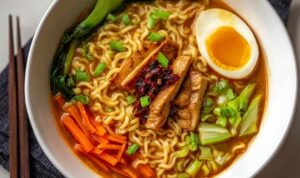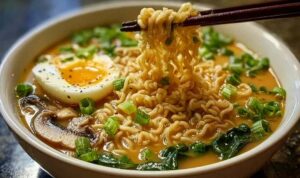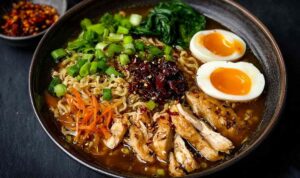

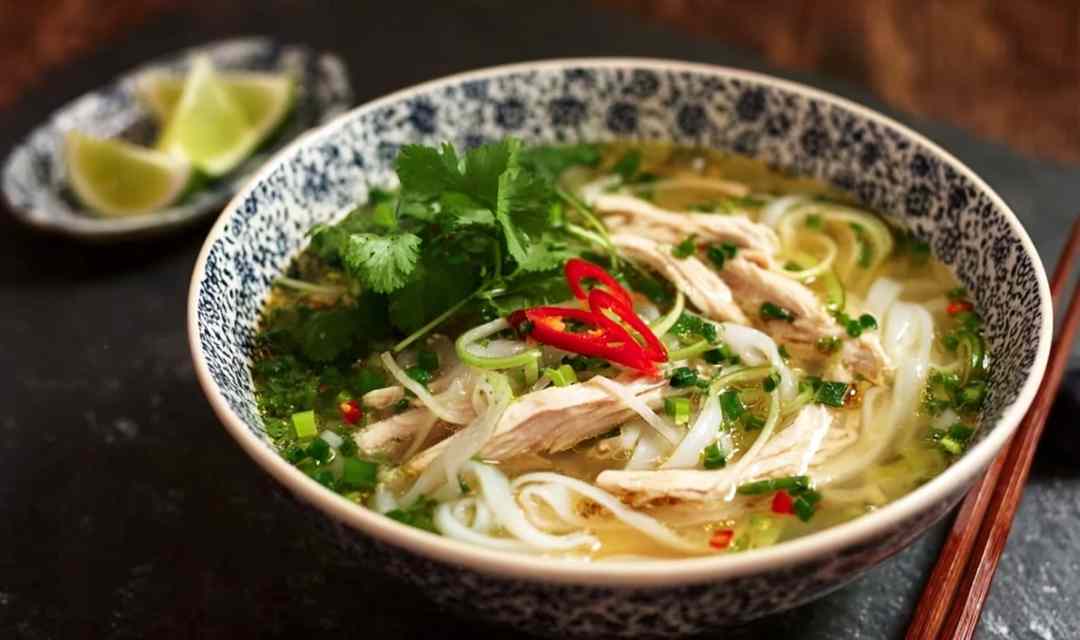
Pho Ga Vietnamese Chicken Noodle Soup is the heart and soul of Northern Vietnamese cuisine, delivering a clear, golden broth that’s both delicate and deeply flavorful. I remember my first bowl at a tiny shop near Dong Xuan Market in Hanoi’s Old Quarter, steam rising at 6 AM while motorbikes whizzed past, and that first sip made me understand why locals line up every morning.
There’s something magical about making Pho Ga at home. The first time I attempted it, my broth came out cloudy and bland because I skipped the parboiling step and added fish sauce too early. Once I learned the proper technique of charring aromatics and simmering bones separately, everything changed. This authentic Pho Ga recipe brings together tender, juicy chicken, rice noodles, and a broth so aromatic it fills your entire kitchen with ginger and star anise. Whether you’re craving Vietnamese chicken soup on a chilly evening or want to impress guests with homemade Pho Ga Hanoi, this recipe works beautifully using either a traditional stovetop method or a faster pressure cooker approach.
Table of Contents
What You’ll Need for This Vietnamese Chicken Noodle Soup
Before we dive into cooking, let me share what makes this Pho Ga truly authentic. I always use a whole chicken instead of just breasts because the bones create that rich, golden broth that defines great Vietnamese chicken noodle soup. Pro tip: don’t skip the parboiling step, it’s the secret to crystal-clear broth.
- 1 whole chicken (about 3-3.5 lbs, note: larger 4+ lb chickens need 5-7 minutes extra cooking time)
- 3 thumb-sized pieces of ginger (peeled and sliced in half vertically)
- 5 large shallots (peeled)
- 1 small piece of cassia bark or 1 cinnamon stick
- 2-3 star anises
- 1 tablespoon coriander seeds (or 3-4 cloves, added in final 20-30 minutes only)
- 1 black cardamom pod (cracked open)
- 2 teaspoons salt (plus more to parboil the chicken)
- 2-3 tablespoons fish sauce (add only at the end)
- 9 cups water (yields about 6-7 cups finished broth)
- Pho rice noodles (fresh or dried)
For Serving:
- Scallions
- Half an onion (sliced very thinly)
- Freshly cracked black pepper
- Birds-eye chili pepper (sliced)
- Lime wedges
Equipment:
- Large pot (8-10 quarts) or pressure cooker
- Spice pouch or cheesecloth tied with kitchen twine
- Optional: meat thermometer
My ingredient notes: I strongly recommend using shallots rather than regular onions, especially for the pressure cooker method. Onions can create an unpleasant sulfuric taste during pressure cooking. If you’re substituting cloves for coriander seeds, use only 3-4 cloves and add them during the final 20-30 minutes of cooking to prevent bitterness. Fresh pho noodles are ideal, but dried work perfectly when cooked according to package directions.
How to Make Authentic Pho Ga Step by Step
I prefer starting with proper prep work because it makes the actual cooking so much smoother. Trust me, taking time to char your aromatics properly makes all the difference in your Pho Ga Vietnamese Chicken Noodle Soup.
Preparation Steps:
Step 1: Bring a large pot of water to a rolling boil. Add a generous pinch of salt and carefully lower your whole chicken into the pot. Let it boil vigorously for 1 minute, then remove the chicken and discard all the liquid. This parboiling removes blood, impurities, and proteins that cause cloudiness, ensuring your broth stays beautifully clear.
Step 2: Heat a dry pan over medium heat. Place the ginger pieces and peeled shallots directly in the pan and dry roast them for 5-7 minutes, turning occasionally until they develop brown spots and release a wonderful fragrance. The slight charring adds incredible depth to your Vietnamese chicken soup. The kitchen should smell sweet and pungent. Set aside.
Step 3: Reduce heat to medium-low and add cassia bark (or cinnamon stick), star anises, coriander seeds, and the cracked black cardamom pod to the same pan. Toast for 1-2 minutes, just until you smell their aroma wafting up. Watch carefully because burned spices taste bitter and will ruin your broth. Transfer all spices to a spice pouch or tie them in cheesecloth. If you don’t have either, you can add spices loose and strain the broth before serving, though removing them later is messier. If using cloves instead of coriander seeds, set them aside to add later.
For Stovetop Method:
Step 4: Place the parboiled chicken in a clean, large pot. Add the roasted ginger, charred shallots, spice pouch (without cloves if substituting), 2 teaspoons of salt, and 9 cups of water. Bring to a boil over high heat.
Step 5: As soon as it boils, use a ladle to skim off any foam or impurities that rise to the surface. This step is crucial for crystal-clear Pho Ga broth. Lower heat to medium-low to maintain a gentle simmer. You should see small bubbles occasionally breaking the surface, not a rolling boil.
Step 6: Cover and simmer for 15-20 minutes until the chicken is just cooked through. Test doneness by inserting a chopstick into the thickest part of the thigh. If the juices run clear (not pink), it’s done. Alternatively, use a meat thermometer to check for 165°F internal temperature. The meat should feel firm but still give slightly when pressed. Avoid overcooking or your chicken will be dry and stringy.
Step 7: Immediately transfer the cooked chicken to a large bowl filled with ice water to stop the cooking process. This keeps the meat incredibly tender and juicy. After 3-5 minutes (when chicken is cool enough to handle), remove from ice bath, pull the meat from the bones, and return all bones (including the carcass) to the pot.
Step 8: Continue simmering the broth with the bones for at least 60-80 minutes, or up to 2 hours for more concentrated flavor. If using cloves, add them now for the final 20-30 minutes only. The longer it simmers, the richer your Vietnamese chicken noodle soup becomes. You’ll notice the broth takes on a deeper golden color.
Step 9: Before serving, taste your broth. Start by adding 2 tablespoons of fish sauce, stir well, taste, then add the remaining tablespoon if needed for saltiness and umami depth. Never add fish sauce during cooking as it can turn sour from prolonged heat.
For Pressure Cooker Method:
Step 4: Add the parboiled chicken to your pressure cooker along with 1 piece of the roasted ginger, half the charred shallots, 2 teaspoons of salt, and 6 cups of water. Secure the lid and set valve to sealing position.
Step 5: Pressure cook on High for 3-4 minutes (3 minutes for chickens under 3.5 lbs, 4 minutes for chickens 3.5 lbs and above). When done, manually release pressure slowly and carefully by turning the valve.
Step 6: Transfer chicken to an ice bath immediately. After 3-5 minutes when cool enough to handle, remove and separate meat from bones. Return all bones to the pressure cooker.
Step 7: Add remaining ginger, shallots, and the spice pouch (without cloves if substituting) to the pressure cooker. Secure lid and pressure cook on High for 25-35 minutes. The longer cooking time extracts maximum flavor. Let pressure release naturally (this takes about 10-15 minutes), which allows the broth to settle and prevents splattering. If using cloves, add them before this final pressure cooking.
Step 8: Once depressurized, taste the broth. You can add up to 2 cups of boiling water if needed to stretch the broth without losing flavor, aiming for about 6-7 cups total. Start by adding 2 tablespoons of fish sauce, stir, taste, then adjust with remaining tablespoon if desired.
Assembly:
Step 9: While broth simmers, shred or slice the cooked chicken into bite-sized pieces. Cook rice noodles according to package directions (usually 5-7 minutes for dried noodles in boiling water, or 1-2 minutes for fresh). Cooking time varies by width and brand, so follow package instructions carefully. Drain and rinse with cold water to stop cooking and remove excess starch.
Step 10: Separate scallion whites from greens. Thinly slice the green parts. Briefly poach the white parts in the hot broth for 30 seconds for a milder, sweeter flavor.
Step 11: Divide rice noodles among serving bowls. Top with chicken pieces, scallions, and paper-thin onion slices. Add a generous amount of freshly cracked black pepper (about 5-6 turns of the pepper mill per bowl).
Step 12: Bring the Pho Ga broth to a rolling boil, then immediately ladle it over the noodles and chicken, filling bowls about three-quarters full. The hot broth will gently cook the raw onions and wilt the herbs. Serve immediately with chili slices and lime wedges on the side so everyone can customize their bowl.
Perfect Pairings for Your Pho Ga
Pho Ga Vietnamese Chicken Noodle Soup is traditionally enjoyed with simple, fresh accompaniments that let the broth shine.
Fresh Herb Platter: Arrange Thai basil, cilantro, sawtooth coriander, and mint on a plate. These herbs add brightness and authentic Vietnamese flavors that complement the aromatic broth perfectly. Guests can add them to their bowls according to preference.
Crispy Vietnamese Spring Rolls: The crunchy texture contrasts beautifully with the silky noodles, and the savory filling pairs wonderfully with the light, delicate chicken soup. Cha gio (fried spring rolls) are the traditional choice.
Lime Wedges and Chili Sauce: Essential for authentic Pho Ga, squeezing fresh lime adds acidity that balances the rich broth, while chili sauce or fresh chilies provide customizable heat. Sriracha or sambal oelek work well.
Iced Vietnamese Coffee: This strong, sweet coffee is the traditional beverage pairing, offering a bold contrast to the subtle, comforting Vietnamese chicken noodle soup. The caffeine also helps balance a large, warming meal.
More Comforting Noodle Soup Recipes
If you love the aromatic, delicate flavors of this Pho Ga Vietnamese chicken noodle soup, you’ll enjoy exploring other nourishing noodle bowls that offer different cultural takes on comfort food. For a quicker weeknight option that still delivers complex Asian flavors, the Quick Chicken Ramen combines Chinese rice wine and two types of soy sauce for an umami-rich broth that’s ready in just 20 minutes. When you want something with customizable toppings and miso paste, the Easy Ramen Noodle Soup offers a lighter Japanese-inspired alternative.
American-style comfort food lovers will appreciate the Easy Chicken Noodle Soup, which brings familiar, homey flavors with egg noodles and fresh thyme in a single pot. For a complete meal with shredded chicken and fresh vegetables, the Tasty Ramen Noodle Soup Recipe offers satisfying protein and texture. Plant-based diners can enjoy the same warming satisfaction with the Vegan Vegetable Noodle Soup, which uses celery root and fresh herbs to create layers of garden-fresh flavor without any animal products.

Storing Your Vietnamese Chicken Soup
I recommend storing the broth and chicken meat separately in airtight containers. Your Pho Ga broth will keep in the refrigerator for 3-4 days, while the chicken stays fresh for up to 3 days. Always cool broth quickly before refrigerating by dividing into smaller containers to speed cooling. Never leave broth at room temperature for more than 2 hours to prevent bacterial growth. For longer storage, freeze the broth for up to 3 months in freezer-safe containers, leaving an inch of headspace for expansion.
To reheat, bring the broth to a rolling boil on the stovetop (this ensures food safety) and warm the chicken separately in a covered dish or by adding it to the hot broth for 1-2 minutes. This prevents the meat from drying out or becoming tough. Cook fresh rice noodles rather than storing cooked ones, as they become mushy and clumpy when refrigerated.
Pro tip: the broth actually tastes even better the next day as the flavors continue to develop and meld. I often make a double batch of Pho Ga Vietnamese Chicken Noodle Soup on weekends and enjoy it throughout the week for quick, nourishing meals. The fat will solidify on top when chilled, which you can remove if desired for a lighter broth, or stir back in for more richness.
Common Questions About Making Pho Ga
Can I use chicken breasts instead of a whole chicken for Pho Ga?
You can, but the broth won’t be as rich or flavorful. Bones are essential for authentic Vietnamese chicken noodle soup because they release collagen and marrow that create the golden color, silky texture, and deep flavor. If using breasts, add at least 2 lbs of chicken bones, wings, or drumsticks to the pot for proper broth.
Why is my Pho Ga broth cloudy instead of clear?
This usually happens if you skip the parboiling step or don’t skim the foam during initial boiling. The parboiling removes blood and proteins that cause cloudiness. Also make sure you’re simmering gently, not boiling hard, which can emulsify fats into the broth. Always parboil your chicken first and diligently remove foam when the broth first comes to a boil for crystal-clear results.
Can I substitute the spices in this Vietnamese chicken soup?
While you can make substitutions, traditional Pho Ga requires star anise, ginger, and either cassia bark or cinnamon for authentic flavor. These three are non-negotiable for the classic taste. If using cloves instead of coriander seeds, add them late in cooking (final 20-30 minutes only) and use sparingly (only 3-4 cloves) to avoid overpowering bitterness that can make the broth medicinal.
Time to Make This Comforting Bowl
Making authentic Pho Ga Vietnamese Chicken Noodle Soup at home is easier than you think, and the results are absolutely worth the time investment. That first spoonful of fragrant, golden broth with tender chicken and silky noodles will transport you straight to the streets of Hanoi. Whether you choose the traditional stovetop method or the quicker pressure cooker version, you’ll create a bowl of comfort that nourishes both body and soul. The stovetop method takes about 2 hours total but requires minimal active cooking time, while the pressure cooker cuts this to about 1 hour. Try this recipe this weekend and discover why Pho Ga has been cherished for generations!
Pho Ga Vietnamese Chicken Noodle Soup
Light yet flavorful Vietnamese chicken noodle soup with clear golden broth, tender chicken, and aromatic spices. Traditional Hanoi-style recipe with stovetop and pressure cooker methods.
- Prep Time: 30 minutes
- Cook Time: 90 minutes
- Total Time: 2 hours
- Yield: 4–6 servings 1x
- Category: Main Course
- Method: Simmer
- Cuisine: Vietnamese
Ingredients
- 1 whole chicken (about 3–3.5 lbs, note: 4+ lb chickens need 5–7 minutes extra cooking time)
- 3 thumb-sized pieces of ginger (peeled and sliced in half vertically)
- 5 large shallots (peeled)
- 1 small piece of cassia bark or 1 cinnamon stick
- 2–3 star anises
- 1 tablespoon coriander seeds (or 3–4 cloves, added in final 20–30 minutes only)
- 1 black cardamom pod (cracked open)
- 2 teaspoons salt (plus more to parboil the chicken)
- 2–3 tablespoons fish sauce (add only at the end)
- 9 cups water (yields about 6–7 cups finished broth)
- Pho rice noodles (fresh or dried)
- Scallions
- Half an onion (sliced very thinly)
- Freshly cracked black pepper
- Birds-eye chili pepper (sliced)
- Lime wedges
Instructions
- Bring a large pot of water to boil, add salt and chicken. Boil for 1 minute, then remove chicken and discard liquid. This removes impurities and ensures crystal-clear broth.
- Dry roast ginger and shallots in a pan over medium heat for 5-7 minutes until fragrant and lightly charred with brown spots. Set aside.
- Reduce heat to medium-low. Add cassia bark, star anises, coriander seeds, and black cardamom. Toast for 1-2 minutes until fragrant. Watch carefully to prevent burning. Place in spice pouch or tie in cheesecloth. If using cloves instead of coriander, set aside to add later.
- Place parboiled chicken in clean pot with ginger, shallots, spice pouch (without cloves if substituting), 2 teaspoons salt, and 9 cups water. Bring to boil, skim foam thoroughly, then lower to gentle simmer with small bubbles occasionally breaking surface.
- Cover and simmer for 15-20 minutes until chicken reaches 165°F internal temperature or juices run clear when pierced. Meat should feel firm but give slightly when pressed.
- Immediately place chicken in ice water bath to stop cooking. After 3-5 minutes when cool enough to handle, separate meat from bones and return all bones to pot.
- Continue simmering broth with bones for 60-80 minutes until flavors concentrate and broth turns deep golden. If using cloves, add them for final 20-30 minutes only. Skim any foam that rises.
- Before serving, taste broth. Start with 2 tablespoons fish sauce, stir well, taste, then add remaining tablespoon if needed for saltiness and depth.
- Cook pho rice noodles according to package directions (usually 5-7 minutes for dried, 1-2 for fresh). Drain and rinse with cold water. Shred or slice chicken into bite-sized pieces.
- Divide noodles among bowls. Top with chicken, sliced scallions, thin onion slices, and about 5-6 turns of cracked black pepper per bowl.
- Bring broth to rolling boil and immediately ladle over noodles and chicken, filling bowls three-quarters full. Hot broth will cook raw onions. Serve immediately with chili slices and lime wedges for customization.
- For pressure cooker: Use 6 cups water, pressure cook chicken on High for 3-4 minutes (3 min for under 3.5 lbs, 4 min for 3.5 lbs and above), manually release. After removing chicken and bones, add remaining aromatics and spices, pressure cook 25-35 minutes on High, natural release (takes 10-15 minutes). Can add up to 2 cups boiling water to reach 6-7 cups total.
Notes
- Use shallots instead of onions, especially for pressure cooker, as onions create unpleasant sulfuric taste during pressure cooking.
- Add fish sauce only at the end, never during simmering, to prevent sourness from prolonged heat.
- Parboiling chicken is essential for crystal-clear broth. Never skip this step.
- If using cloves instead of coriander seeds, use only 3-4 cloves and add during final 20-30 minutes only to prevent bitter, medicinal taste.
- Total time: Stovetop method takes about 2 hours (30 min prep, 90 min cooking). Pressure cooker method takes about 1 hour (30 min prep, 30 min cooking).
- Always cool broth quickly before refrigerating. Divide into smaller containers. Never leave at room temperature more than 2 hours.
- Broth tastes better the next day as flavors continue to develop.
Nutrition
- Serving Size: 1 bowl (about 2 cups)
- Calories: 385 kcal
- Sugar: 3 g
- Sodium: 1240 mg
- Fat: 12 g
- Saturated Fat: 3 g
- Unsaturated Fat: 8 g
- Trans Fat: 0 g
- Carbohydrates: 42 g
- Fiber: 2 g
- Protein: 28 g
- Cholesterol: 85 mg