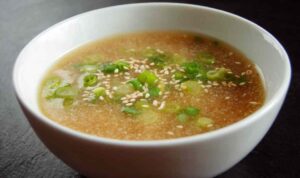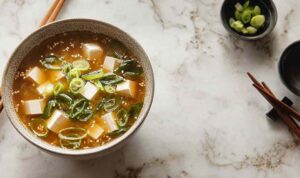

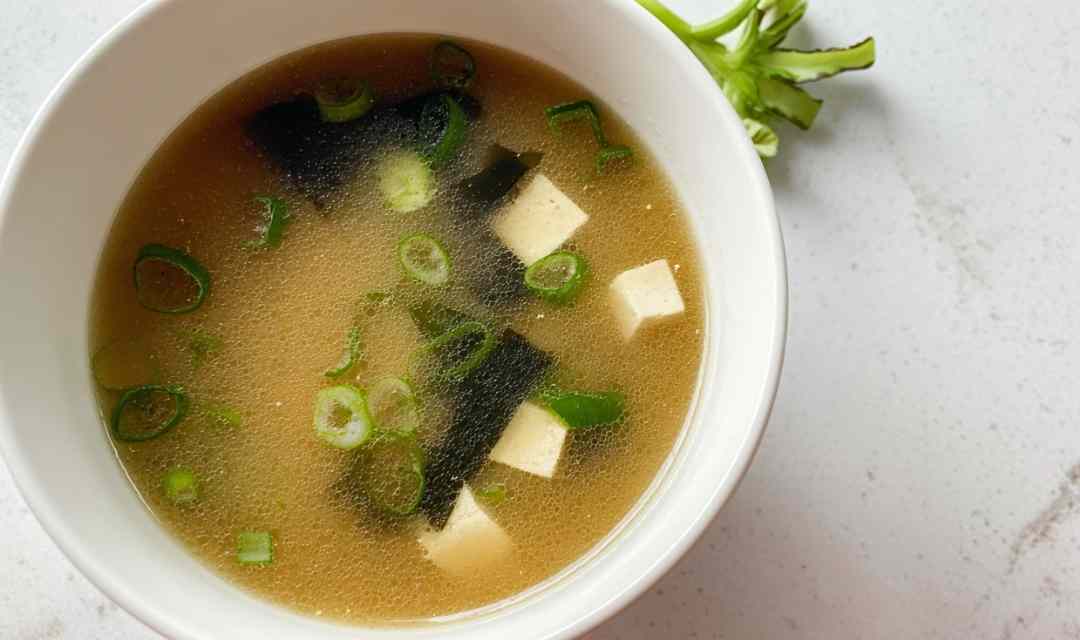
Making miso soup without dashi opened up a whole new world for me when I realized I didn’t need specialty ingredients to create authentic Japanese flavors. This simplified version uses vegetable broth as the base, making it accessible for anyone who wants warm, comforting soup without hunting down bonito flakes or kombu.
I stumbled onto this recipe on a busy weeknight when I was craving miso soup but didn’t have dashi on hand. What started as a compromise became my preferred method because it’s faster and the ingredients are things I already keep in my pantry. This miso soup without dashi delivers that same umami-rich taste you’d expect, with silky tofu and delicate nori adding texture and depth. It’s become my 15-minute answer to needing something warm and nourishing.
Table of Contents
Ingredients You’ll Need
I always use white miso paste for a milder, slightly sweet flavor, though red miso works beautifully if you prefer something bolder. Pro tip: look for miso paste in the refrigerated section of your grocery store near the tofu.
- 2 cups water
- 2 cups vegetable broth
- 2 tablespoons miso paste (white or red)
- 2 cups soft tofu, cubed
- 2 tablespoons green onions, very thinly sliced
- 1 sheet nori (dried seaweed), torn into small pieces
- Optional: 1 cup sliced mushrooms (shiitake, button, or your choice)
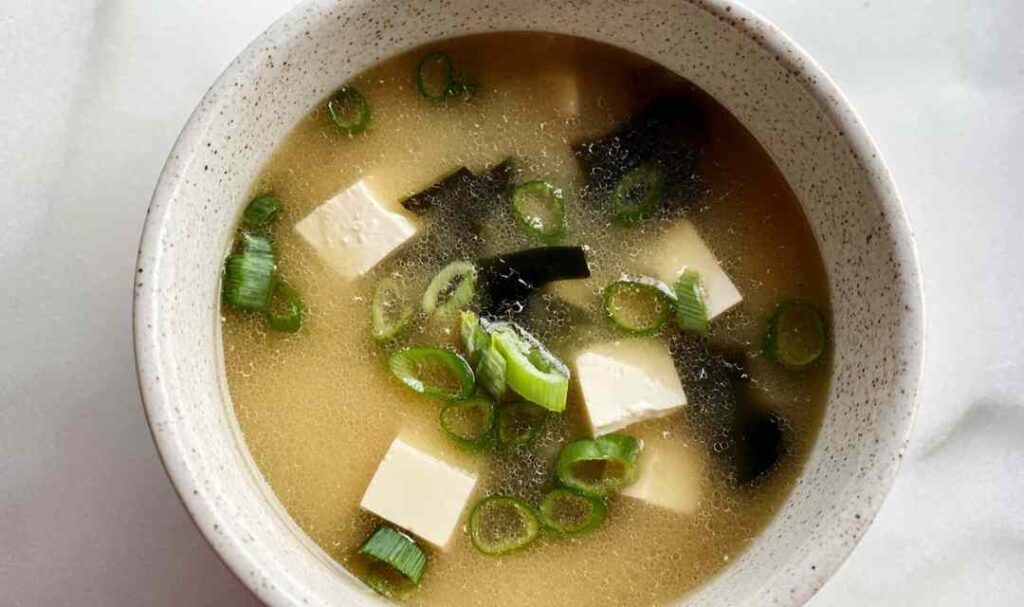
Making Your Miso Soup
I recommend dissolving your miso paste separately before adding it to the pot. This prevents clumps and ensures smooth, evenly flavored soup throughout.
Step 1: Start by cubing your tofu into 1/2-inch pieces, slicing your green onions thinly, and preparing your mushrooms if you’re adding those. Having everything ready makes the cooking process quick and smooth.
Step 2: In a small bowl, mix your miso paste with about 1/4 cup warm water to create a smooth paste. Use a spoon to work out any lumps. This step ensures the miso blends into the soup without clumps.
Step 3: In a pot, bring your water and vegetable broth to a gentle boil over medium heat. You’ll see small bubbles starting to break the surface.
Step 4: Once your broth is bubbling, add your tofu cubes and mushrooms if using. Let them simmer in the broth for about 5 minutes. The tofu will warm through and the mushrooms will soften and release their flavor.
Step 5: Reduce the heat to low. This is important because you never want to boil miso paste, as high heat destroys its beneficial probiotics and can make the flavor bitter.
Step 6: Take a ladleful of the hot broth from the pot and mix it into your miso paste bowl until it’s smooth and creamy. This tempers the miso and makes it easier to incorporate. Then, gradually pour it back into the pot, stirring gently to combine.
Step 7: Give your soup a taste and adjust the seasoning as needed. Add more miso paste if you want stronger flavor, or a splash of soy sauce for extra saltiness.
Step 8: Ladle into bowls, sprinkle on the sliced green onions, and add pieces of torn nori as desired. The nori will soften slightly in the hot broth and add a subtle ocean flavor.
How to Serve This Soup
Miso soup without dashi works perfectly as an appetizer or a light lunch on its own.
Steamed rice: A small bowl of white or brown rice alongside makes this into a complete, satisfying meal with balanced nutrition.
Karaage chicken: The crispy, juicy chicken provides protein and textural contrast to the smooth, gentle soup.
Veggie sushi rolls: Light cucumber or avocado rolls complement the soup beautifully for an authentic Japanese meal at home.
Edamame: A small side of salted edamame adds protein and gives you something to nibble between sips.
Enhance Your Miso Soup Repertoire
This Miso Soup Without Dashi simplifies traditional preparation while maintaining authentic flavor. For those who love this straightforward approach, our Vegan Miso Soup offers another accessible plant-based option, while the Ginger Miso Brothy Soup adds aromatic ginger warmth to the base.
When you’re ready to explore bolder flavors, try our Spicy Miso Carrot Soup with roasted vegetables and heat, or enjoy the citrus-forward Lemon Ginger Miso Soup for refreshing brightness.

Storage and Reheating Tips
I recommend enjoying miso soup without dashi fresh for the best texture and flavor. However, you can store leftovers in an airtight container in the refrigerator for up to 3 days.
When reheating, use the stovetop over low heat and warm gently. Never bring the soup to a full boil, as this damages the miso’s beneficial probiotics and can make the tofu rubbery. Stir occasionally as it warms.
Pro tip: if you’re making this ahead, prepare the broth and tofu but wait to add the miso paste until just before serving. This preserves the miso’s delicate flavor and health benefits.
Your Miso Soup Questions Answered
Can I use firm tofu instead of soft?
Yes, but soft or silken tofu gives you that authentic, melt-in-your-mouth texture you’d find in Japanese restaurants. Firm tofu works but will be chewier.
What if my soup tastes too salty?
Add more water or vegetable broth to dilute it, then adjust with a bit more miso if needed. Start with less miso than the recipe calls for and add to taste.
Can I freeze miso soup?
Freezing isn’t recommended because the tofu texture changes dramatically and becomes spongy. Make only what you’ll eat within 3 days.
Wrapping Up
This miso soup without dashi proves you don’t need specialty ingredients to create something warm, nourishing, and genuinely delicious. The simple combination of vegetable broth and miso paste delivers authentic flavor in just 15 minutes.
Miso soup without dashi
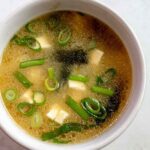
This homemade miso soup recipe without dashi is a delightful recipe that’ll warm your soul. It’s so simple you can make it anytime and all ingredients are easy to find. Kid-friendly and healthy.
- Prep Time: 5 minutes
- Cook Time: 10 minutes
- Total Time: 15 minutes
- Yield: 2 servings 1x
- Category: Soup
- Method: Simmer
- Cuisine: Japanese
- Diet: Vegan
Ingredients
- 2 cups water
- 2 cups vegetable broth
- 2 tablespoons miso paste (white or red)
- 2 cups soft tofu, cubed
- 2 tablespoons green onions, very thinly sliced
- 1 sheet nori (dried seaweed), torn into small pieces
- Optional: 1 cup sliced mushrooms (shiitake, button, or your choice)
Instructions
- Cube tofu into 1/2-inch pieces, slice green onions thinly, and prepare mushrooms if using.
- In small bowl, mix miso paste with 1/4 cup warm water to create smooth paste without clumps.
- In pot, bring water and vegetable broth to gentle boil over medium heat.
- Once broth is bubbling, add tofu cubes and mushrooms if using. Simmer for 5 minutes.
- Reduce heat to low. Do not boil miso paste to preserve probiotics and flavor.
- Take ladleful of hot broth and mix into miso paste until smooth and creamy. Gradually pour back into pot, stirring gently to combine.
- Taste and adjust seasoning as needed.
- Ladle into bowls, sprinkle with sliced green onions, and add torn nori pieces.
Notes
- Do not boil miso paste after adding. High heat destroys beneficial probiotics and creates bitter flavor.
- White miso is mild and sweet, red miso is bolder and saltier.
- Can add dried kombu or bonito flakes if available for more authentic flavor.
- Store leftovers in glass container in refrigerator up to 3 days. Reheat gently without boiling.
Nutrition
- Serving Size: 1 bowl (about 2 cups)
- Calories: 120 kcal
- Sugar: 3 g
- Sodium: 850 mg
- Fat: 4 g
- Saturated Fat: 1 g
- Unsaturated Fat: 3 g
- Trans Fat: 0 g
- Carbohydrates: 12 g
- Fiber: 2 g
- Protein: 9 g
- Cholesterol: 0 mg