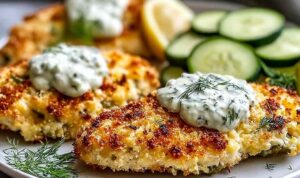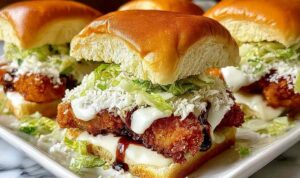

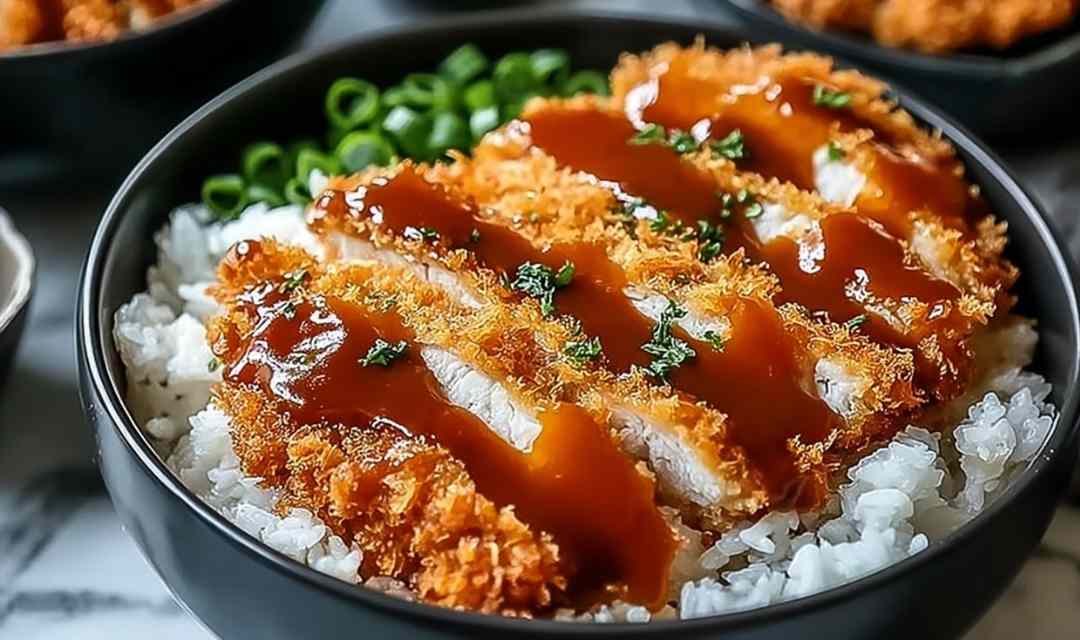
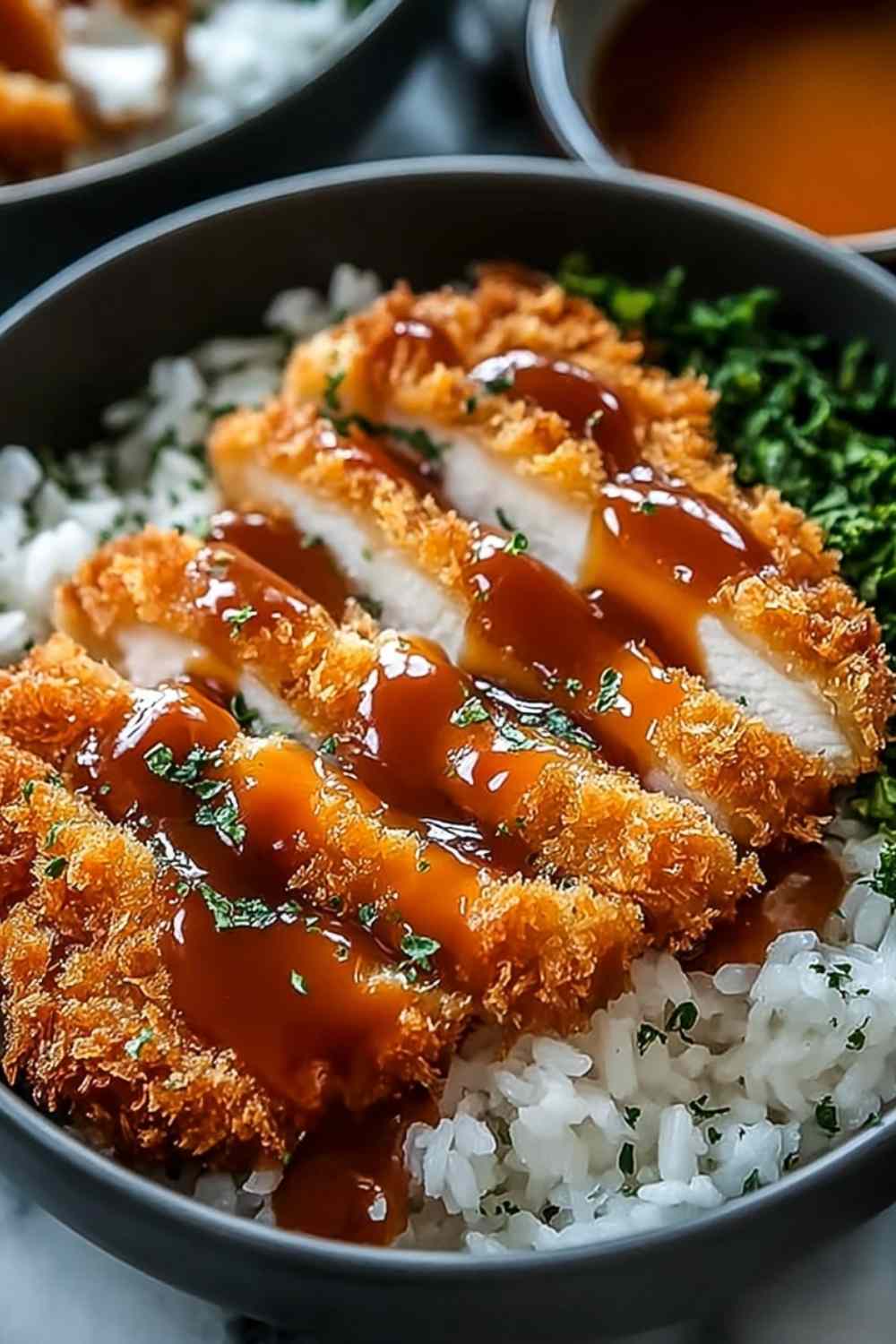
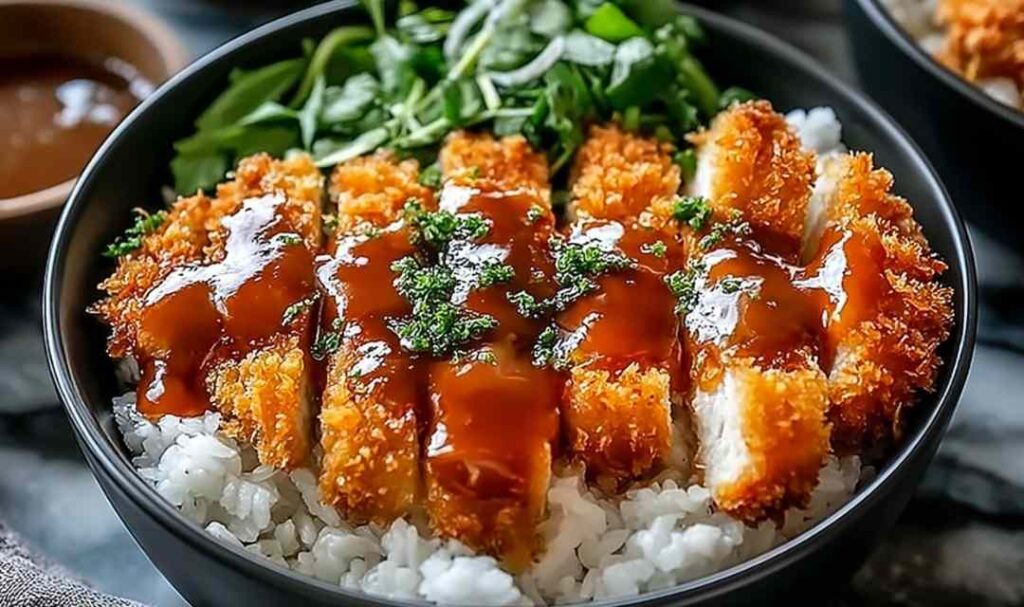
Japanese Katsu Bowls with Tonkatsu Sauce are one of those weeknight meals that look impressive on the table but are way more approachable than most people expect. I remember the first time I ordered katsu at a small Japanese restaurant and immediately thought, “I have to figure out how to make this at home.” That panko crust with the sweet and savory drizzle of tonkatsu sauce just hits differently.
It took me a few tries to get the breading to stick properly and the oil temperature dialed in, but once I did, this became a regular rotation meal in my kitchen. These Japanese Katsu Bowls bring together crispy beef cutlets, fluffy short-grain rice, and a five-minute homemade tonkatsu sauce that is genuinely better than the bottled version. Whether you are feeding your family on a Tuesday night or trying to impress someone, this bowl delivers.
Table of Contents
What You Need to Make These Crispy Katsu Bowls
I always keep panko breadcrumbs in my pantry specifically for recipes like this one. Regular breadcrumbs just do not give you that same light, shatteringly crispy crust. Pro tip: look for Japanese-brand panko if your store carries it. The flakes are larger and create a crunchier coating that holds up better to the tonkatsu sauce.
For the beef Katsu:
- 4 boneless beef loin chops, about 1/2-inch thick
- Salt and freshly ground black pepper, to taste
- 1/4 cup all-purpose flour
- 2 large eggs, beaten
- 1 1/2 cups panko breadcrumbs (Japanese-style preferred)
- Vegetable oil, for frying (canola or sunflower oil work great)
For the Tonkatsu Sauce:
- 1/4 cup ketchup
- 2 tablespoons Worcestershire sauce
- 1 tablespoon soy sauce
- 1 tablespoon oyster sauce
- 1 teaspoon mirin
- 1 teaspoon sugar
For Assembly:
- 2 cups cooked Japanese short-grain rice (start cooking this before you bread the beef)
- Shredded cabbage or lettuce, for serving
- Sliced scallions, for garnish
Step-by-Step Guide to Making Japanese Katsu Bowls
I recommend getting your rice cooking and your breading station fully set up before the oil ever touches the pan. Having everything prepped and within arm’s reach makes the frying process smooth and stress-free. Here is how I make this recipe:
Step 1: Pound the beef. Place each beef chop between two sheets of plastic wrap and use a meat mallet or the bottom of a heavy pan to pound it to an even 1/4-inch thickness. This step is not optional. Uneven thickness means some parts dry out while others are still cooking through. Season both sides generously with salt and pepper.
Step 2: Set up your breading station. Line up three shallow dishes. Dish one gets the flour. Dish two gets the beaten eggs. Dish three gets the panko breadcrumbs. Working left to right keeps the process organized and your hands cleaner.
Step 3: Bread the beef. Pat the seasoned beef dry with a paper towel first. Wet beef causes the flour to clump and the breading to fall off later. Dredge each chop in flour and shake off the excess. Dip into the egg and let it drip. Then press firmly into the panko on both sides. Really press. This is where most people go too light and end up with patchy breading in the pan.
Step 4: Mix the tonkatsu sauce. Whisk together the ketchup, Worcestershire sauce, soy sauce, oyster sauce, mirin, and sugar in a small bowl. Taste it. It should be tangy, savory, and lightly sweet. Adjust with a pinch more sugar or a splash more soy if needed. Set aside.
Step 5: Fry the katsu. Pour about 1/2 inch of vegetable oil into a large heavy skillet. Heat over medium-high until it reaches 350 degrees F (175 degrees C). Use a thermometer here if you have one. Oil that is too cool makes the beef greasy. Oil that is too hot burns the crust before the beef cooks through. Carefully lay 1 to 2 cutlets into the oil without crowding. Fry for 3 to 4 minutes per side until the crust is a deep golden brown and the internal temperature reaches 145 degrees F (63 degrees C). Fry in batches if needed, letting the oil return to temperature between rounds.
Step 6: Rest and slice. Transfer the cooked katsu to a wire rack. A wire rack keeps the bottom crust crispy. Paper towels work in a pinch but can steam the bottom slightly. Let the beef rest for 5 minutes before slicing into 1/2-inch strips.
Step 7: Build your bowls. Divide the rice among four bowls. Add a layer of shredded cabbage. Fan the sliced katsu over the top, drizzle generously with tonkatsu sauce, and finish with sliced scallions.
Best Sides to Serve Alongside Your Katsu Bowls
The right sides balance the richness of these Japanese Katsu Bowls and turn dinner into a full experience. Here are some of the best sides for Japanese Katsu Bowls:
Japanese Pickles (Tsukemono): The bright, vinegary crunch of pickled vegetables cuts right through the richness of the fried beef. Even a quick-pickled cucumber works here.
Soft-Boiled Marinated Egg (Ajitsuke Tamago): A jammy, soy-marinated egg sliced in half and laid on top of the rice adds creaminess and a serious umami punch.
Simple Sesame Cucumber Salad: Thinly sliced cucumbers with rice vinegar, sesame oil, and a pinch of chili flakes keep the bowl feeling light and refreshing.
Miso Soup: A small bowl of warm miso soup on the side is a classic pairing. The subtle broth complements the katsu without competing with the tonkatsu sauce.
More Easy Dinner Bowls and Weeknight Recipes to Try
If these Japanese Katsu Bowls hit the spot, there are plenty of other satisfying bowl and skillet dinners worth adding to the weekly lineup. The Honey BBQ Chicken Rice is another crowd-pleasing rice bowl that comes together quickly, while the Easy Taco Rice Bowl brings bold, seasoned beef over fluffy rice for a completely different flavor direction. For something a little creamier, the Best Maple Dijon Chicken Sweet Potato Bowls offer a sweet and savory combo that works beautifully any night of the week.
Crispy proteins pair well with lighter sides too. The Easy Grilled Chicken Broccoli Bowls are a great lighter option to rotate in alongside katsu nights, and the Creamy Asian Cucumber Salad Bowl makes a refreshing side that complements the savory tonkatsu sauce perfectly.

How to Store and Reheat Leftover Katsu Bowls
Store the cooked beef katsu and rice in separate airtight containers in the refrigerator for up to 3 days. Keeping them separate is important. Storing together traps steam and turns crispy breading into a soft, soggy layer by the next morning.
To reheat the beef katsu, place it on a wire rack set over a baking sheet and heat in a 400 degree F (200 degree C) oven or air fryer for 5 to 10 minutes. This brings most of the crunch back. Avoid the microwave if you can. It steams the breading and you lose everything that made it good in the first place.
Pro tip: if you want to prep ahead, bread the uncooked beef cutlets, freeze them flat on a sheet pan, then transfer to a freezer bag for up to 1 month. Fry them directly from frozen, adding 1 to 2 extra minutes per side. This makes weeknight Japanese Katsu Bowls even faster to pull together.
Common Questions About Japanese Katsu Bowls with Tonkatsu Sauce
Can I use chicken instead of beef?
Yes. Boneless skinless chicken breasts pounded to 1/4-inch thickness work perfectly with the same breading and frying method. Cook to an internal temperature of 165 degrees F (74 degrees C). This version is commonly called chicken katsu don.
My breading kept falling off in the oil. What went wrong?
Two likely causes. First, if the beef was wet before breading, the flour does not adhere properly. Always pat the meat dry before starting. Second, if you were too gentle pressing the panko on, it will not bond well. Press firmly and let the breaded cutlets rest for 5 minutes before frying so the coating can set.
Can I freeze the cooked beef katsu?
It is not recommended. Freezing cooked katsu causes the panko coating to absorb moisture and lose all its crispiness after reheating. For best results, freeze only uncooked breaded cutlets and fry fresh when you are ready to eat.
Make These Japanese Katsu Bowls Tonight
This recipe is genuinely one of the more satisfying things you can make on a regular weeknight. The steps are straightforward, the sauce takes five minutes, and the result looks like something from a real Japanese restaurant. Once you get the hang of the breading and frying temperature, you will find yourself coming back to these Japanese Katsu Bowls with Tonkatsu Sauce again and again. Give it a try tonight and do not be shy with that sauce drizzle.
Japanese Katsu Bowls with Tonkatsu Sauce
Crispy panko-breaded beef cutlets served over fluffy Japanese short-grain rice with a savory-sweet homemade tonkatsu sauce. A restaurant-quality meal ready in 35 minutes.
- Prep Time: 15 minutes
- Cook Time: 20 minutes
- Total Time: 35 minutes
- Yield: 4 servings 1x
- Category: Dinner
- Method: Fry
- Cuisine: Japanese
Ingredients
- 4 boneless beef loin chops, about 1/2-inch thick
- Salt and freshly ground black pepper, to taste
- 1/4 cup all-purpose flour
- 2 large eggs, beaten
- 1 1/2 cups panko breadcrumbs (Japanese-style preferred)
- Vegetable oil, for frying
- 1/4 cup ketchup
- 2 tablespoons Worcestershire sauce
- 1 tablespoon soy sauce
- 1 tablespoon oyster sauce
- 1 teaspoon mirin
- 1 teaspoon sugar
- 2 cups cooked Japanese short-grain rice
- Shredded cabbage or lettuce, for serving
- Sliced scallions, for garnish
Instructions
- Place each beef chop between two sheets of plastic wrap and pound to an even 1/4-inch thickness using a meat mallet or heavy pan. Season both sides generously with salt and pepper.
- Arrange three shallow dishes: one with all-purpose flour, one with beaten eggs, and one with panko breadcrumbs.
- Pat beef dry with paper towels. Dredge in flour and shake off excess. Dip in beaten egg and let drip. Press firmly into panko on both sides until fully and evenly coated. Let breaded cutlets rest 5 minutes before frying.
- Whisk together ketchup, Worcestershire sauce, soy sauce, oyster sauce, mirin, and sugar until smooth. Taste and adjust if needed. Set aside.
- Heat about 1/2 inch of vegetable oil in a large heavy skillet over medium-high heat to 350 degrees F (175 degrees C). Fry beef cutlets 1 to 2 at a time without crowding, 3 to 4 minutes per side, until deep golden brown and internal temperature reaches 145 degrees F (63 degrees C). Return oil to temperature between batches.
- Transfer cooked katsu to a wire rack. Rest 5 minutes, then slice into 1/2-inch strips.
- Divide rice among four bowls. Top with shredded cabbage, sliced katsu, a generous drizzle of tonkatsu sauce, and sliced scallions.
Notes
- Pound beef to an even 1/4-inch thickness for consistent cooking throughout.
- Pat beef dry before breading so the flour adheres properly and the crust does not fall off in the oil.
- Do not crowd the pan when frying. Fry in batches and let the oil return to 350 degrees F between rounds.
- Chicken breasts pounded thin can be substituted for beef. Cook to an internal temperature of 165 degrees F (74 degrees C).
- Reheat leftover katsu in a 400 degree F oven or air fryer for 5 to 10 minutes to restore crispiness. Avoid the microwave.
- Uncooked breaded cutlets can be frozen flat for up to 1 month and fried directly from frozen with 1 to 2 extra minutes added per side.
Nutrition
- Serving Size: 1 bowl
- Calories: 620 kcal
- Sugar: 8 g
- Sodium: 890 mg
- Fat: 28 g
- Saturated Fat: 6 g
- Unsaturated Fat: 20 g
- Trans Fat: 0 g
- Carbohydrates: 52 g
- Fiber: 2 g
- Protein: 38 g
- Cholesterol: 145 mg